CRA Compliance Is Not a Checkbox. It's a Continuous Program.
Manufacturers tend to prepare for the EU Cyber Resilience Act (CRA) the way they'd prepare for an exam, something you study for, pass, and put behind you.

Doc McConnell
Head of Policy and Compliance
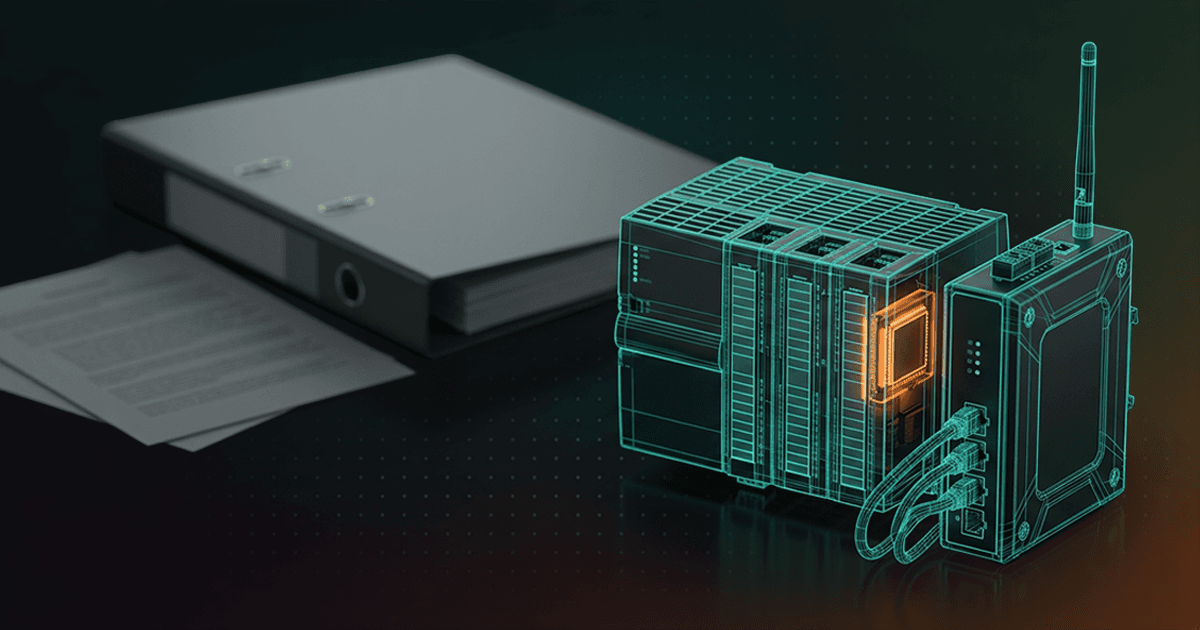
Most regulations reward that instinct, but CRA does not end at sign-off—it stays in force for as long as the product ships, extending the documentation EU RED already requires and then demanding it again with every release.
For instance, a product can pass its CRA conformity assessment cleanly in 2026 and still owe regulators an emergency patch and a vulnerability report in 2029. The obligation outlives the assessment by years, and in the programs I advise on at Finite State, the teams that struggle most are the ones who prepared for that assessment and built nothing for everything after it.
Why Checkbox Thinking Fails
A checkbox approach is built to clear a single conformity assessment against a fixed snapshot of the product, and against that snapshot it works fine. What it cannot account for is everything that changes after the product ships. New CVEs get published against components that were clean at audit, suppliers substitute parts, and firmware updates pull in transitive dependencies the original SBOM never captured. Each of those changes pushes the shipped product out of alignment with the technical documentation filed for it, and when the compliance function is bolted onto engineering instead of built into it, staying current means re-deriving the SBOM, re-running vulnerability correlation, and reassembling the evidence package from scratch.
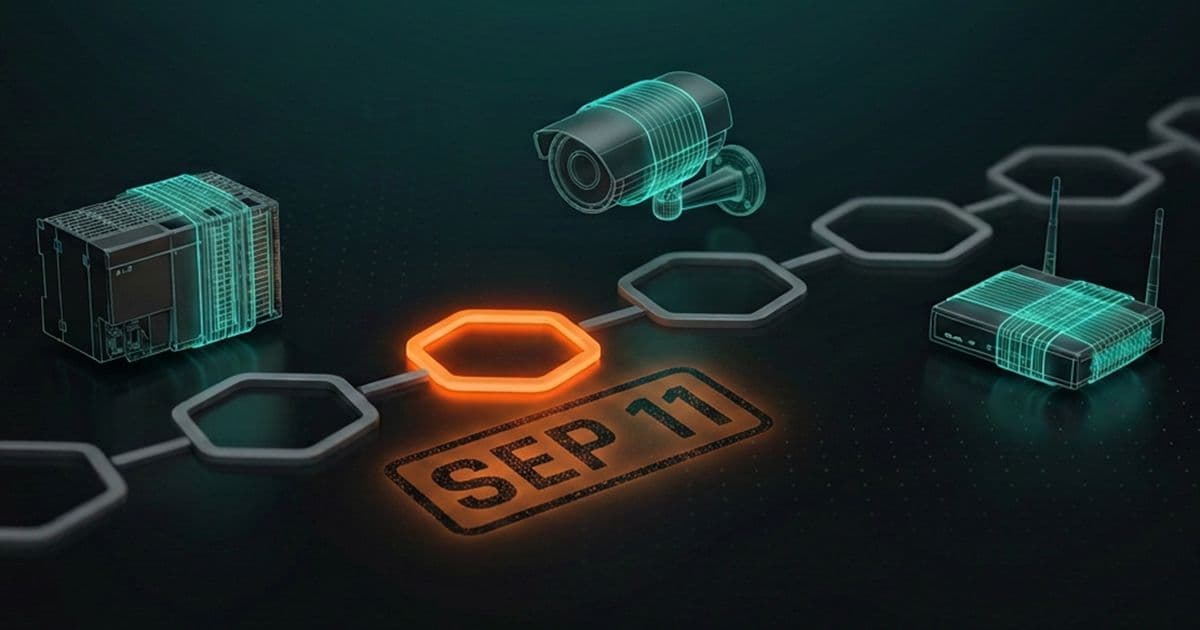
Attempted by hand, this rework is not just slow and unscalable but a compliance risk in its own right. Manual reconciliation across releases introduces drift into how vulnerabilities are dispositioned, how coordinated disclosure decisions get made, and what the technical documentation submitted to regulators actually claims. Under CRA, an inaccurate filing or a missed report on an actively exploited vulnerability carries real regulatory consequences, so the errors that creep in are not clerical. A spreadsheet might carry a team through the September 2026 reporting obligation and the December 2027 conformity deadline, but it will not hold up across multiple product lines and years of mandated support. Removing that exposure means keeping the SBOM, the vulnerability analysis, and the regulatory filings continuously aligned, which is the problem the Finite State platform was built to handle.
The Silo Trap
Most CRA breakdowns trace back to fragmentation rather than a lack of effort. Inside a single company, the work is split across several groups that rarely share a system. Compliance handles the regulatory clauses and documentation, security runs vulnerability discovery and remediation, engineering drives feature delivery and release velocity, and executives carry risk exposure and market access. None of those priorities is wrong on its own, but each group works from different data, in different tools, on different timelines, and that separation comes at a cost.
The SBOMs, vulnerability findings, and compliance mappings a CRA program depends on tend to live in different tools, so keeping them aligned takes constant manual effort that grows with every product line and every supported version. Teams know the result as operational drag, the hours spent translating between silos instead of reducing the risk underneath. Finite State removes that drag at the source, pulling those scattered tools into one system of record so there are no silos left to translate between.
What a Connected Program Looks Like
A CRA program works when those teams operate as a single continuous process. The component inventory then reflects what actually ships in firmware and source code, vulnerability correlation updates as new CVEs are published, exposure analysis feeds remediation while there is still time to act, and the compliance mappings stay current on mitigation and verification status. Run that way, compliance stops being a separate workstream and becomes a byproduct of the product work already underway.
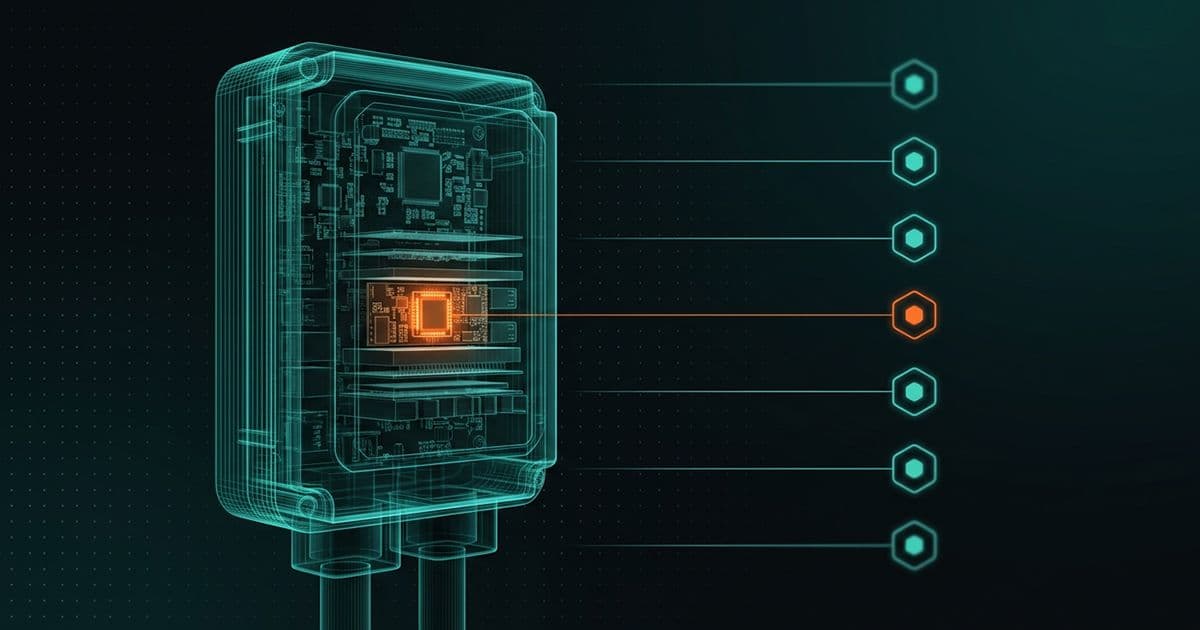
On the Finite State Product Security OS, this runs as one connected lifecycle. Firmware binary analysis builds a ground-truth system of record for the components and vulnerabilities in what actually shipped, the platform correlates that inventory against new disclosures automatically, reachability analysis ranks what is genuinely exploitable, remediation moves through structured, tracked workflows, and fixes are verified against traceable evidence, so the audit-ready outputs stay consistent from one release to the next. Because nothing restarts when a product updates, decisions carry forward, evidence accumulates, and each new release becomes an incremental update to a living security posture. For teams that would rather have expert support run the program than carry it in-house, Finite State operates the entire cycle as a managed CRA service, maintaining a living SBOM, a cybersecurity risk assessment, continuous monitoring, disclosure support, and a technical documentation package release over release.
The Word That Matters Most
The real test of a CRA program is repeatability. Producing one strong disclosure package under deadline pressure is something most teams can pull off once, with enough effort. Doing it for every release, every disclosed vulnerability, and every audit request, year after year, is the requirement CRA actually imposes, and it is where manual programs come apart. A continuous program can sustain that, because nothing has to be rebuilt to answer the next question, and on the Finite State platform the system of record, vulnerability correlation, and prioritization carry forward release to release while the supporting evidence compounds.
What Lasting Compliance Takes
Under CRA, security maturity has to hold for the entire time a product stays on the market. A checkbox effort might satisfy a single review, but it cannot carry a team through years of obligations without breaking down somewhere. Avoiding that breakdown means running product security as a continuous program, which is what Finite State is built to support. The platform supplies one system of record feeding inventory, prioritization, remediation, verification, and reporting, and our policy and security teams work alongside yours to keep the program current between releases and to make the judgment calls a tool cannot. Compliance becomes predictable, far less disruptive, and audit-ready the day a regulator or a customer asks. Each release then builds on a security posture that is already current, and the team never starts from scratch.
Facing years of CRA obligations with a process built for one audit? You should not have to rebuild your compliance story every release. Talk to our team about a managed CRA plan that runs as a continuous program. Request a CRA consultation →
Tags
Doc McConnell
Head of Policy and Compliance
Doc McConnell is a public policy and cybersecurity leader with over a decade of experience shaping national technology policy within the U.S. government. Prior to joining Finite State, he led strategic policy development for federal cybersecurity at the Cybersecurity and Infrastructure Security Agency and served as a policy advisor within the White House Office of Management and Budget.
Doc holds a Master of Information and Cybersecurity from the University of California, Berkeley, and a Master of Public Policy from the University of Virginia. He is a Certified Information Systems Security Professional (CISSP).